
Ikea Frekvens LED matrix modding
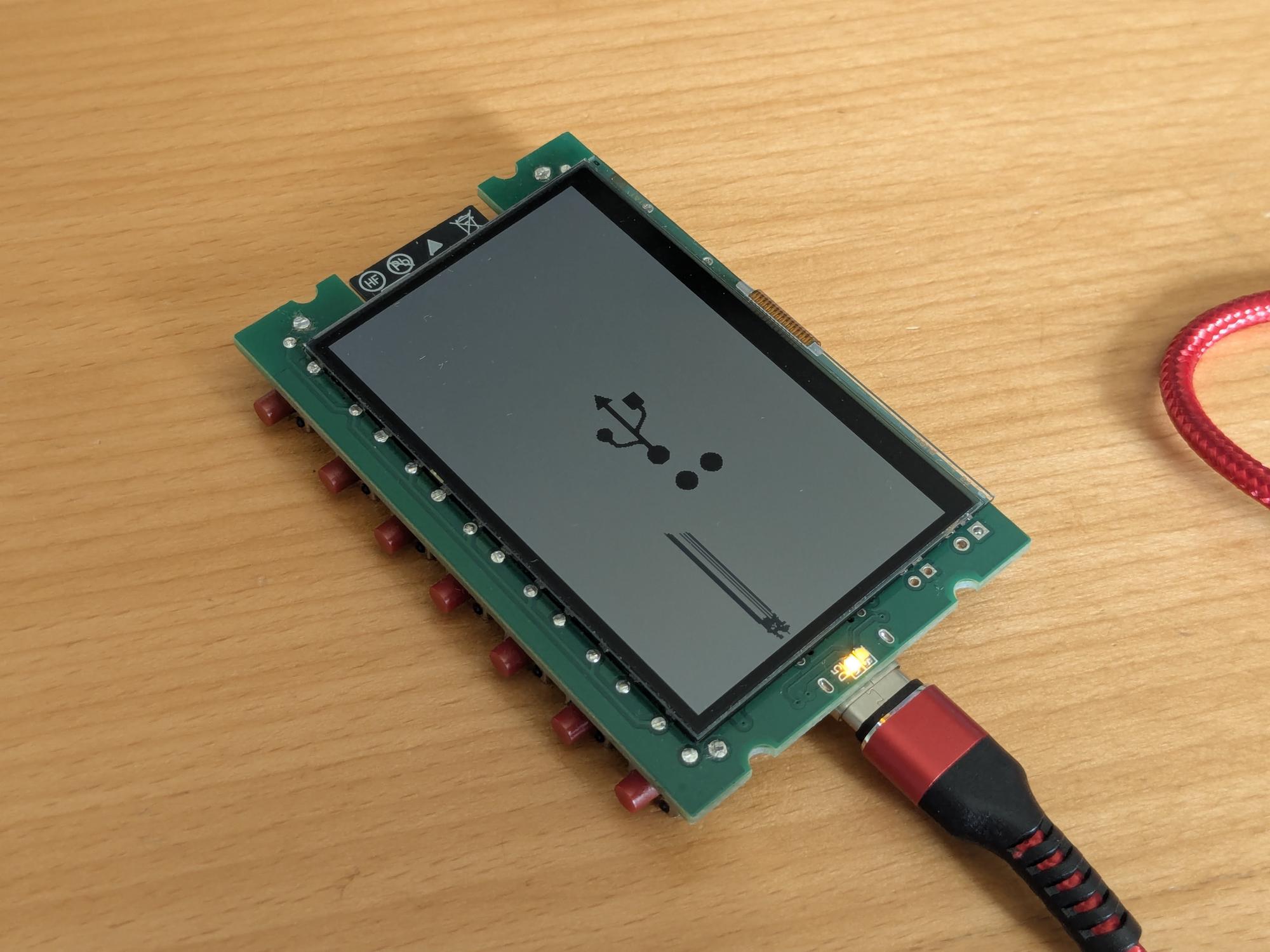
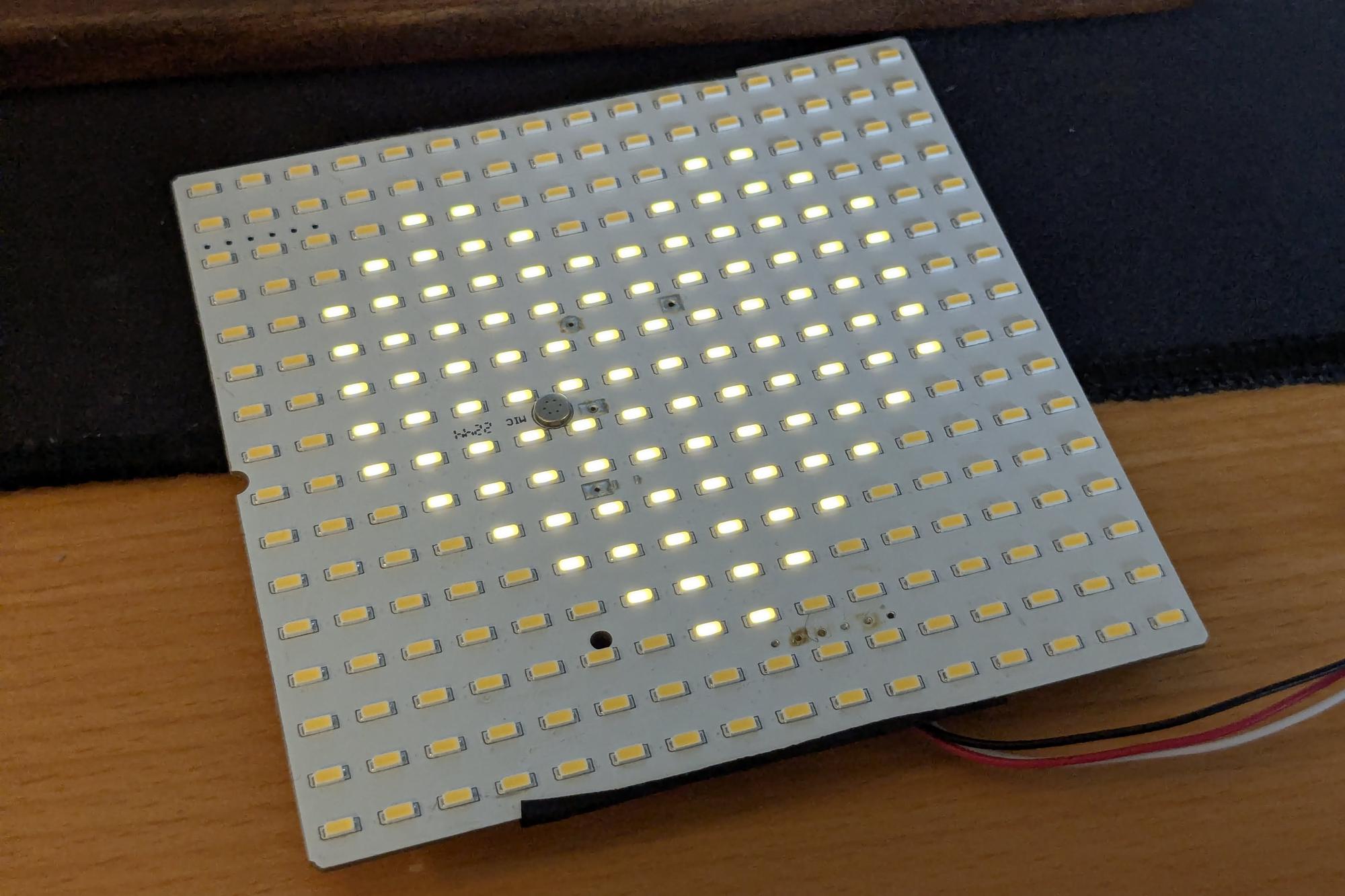
I found a couple of ikea frekvens LED matrix cubes from that teenage engineering collab in a thrift store in Vienna. They were cheap and I’d heard about people modding them. Plugged in, they provide possibly the most dissapointing lightshow I’ve seen:
Whatever electronics they’ve got in there, it’s doing a very simple job: Show a static frame of a pre-baked five frame looping animation. Monitor a microphone and progress the animation each time a loud sound occurs. Check two buttons on the back to turn the LEDs on or off, and switch between a few different animation sets.
That’s it. Nothing dynamic, nothing exciting. Why not make it just a bit more exciting?
Read More
A few existing projects:
- funkyhome.de replace the inner controller board with an ESP-8266 to build modular desktop clocks.
- SpritesMods install an ESP-CAM module by drilling through the LED matrix board to do tracking-based animations, building an IRL xeyes.
- @frumperino on github began building a library for the cubes some years ago using the adafruit gfx library.
I think my general goals for modding are something like:
- Maintain feature parity with the original cubes. As in, I don’t want to loose or add new aspects to the cubes. So no camera or wifi, but keep the microphone and buttons in use.
- Be non-hacky and robust. I want to produce a result that can survive a drop or change in environment the same as the original cubes. So no levering solder joints or flying jumper cables, no need for setup.
- Be economic. As in, be plausibly mass-producible in theory. Even if I’ll probably never come across any more of these things. (My suspicion is that they didn’t sell that well… I wonder why)
So basically, I think I’m trying to prove what kind of product the cubes could be if the TE software engineers had done a proper job…
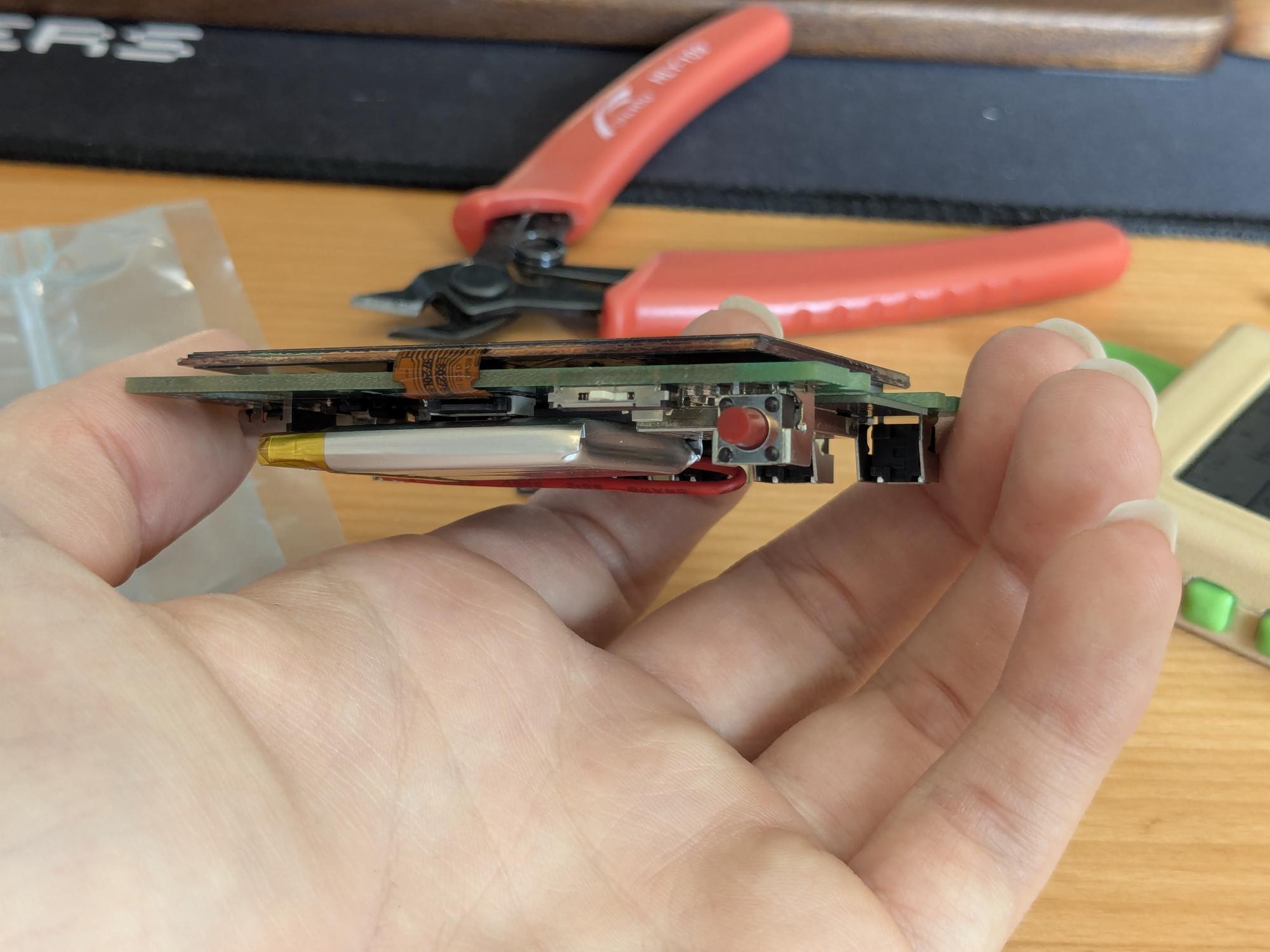
Scans and sketch of the original circuit:
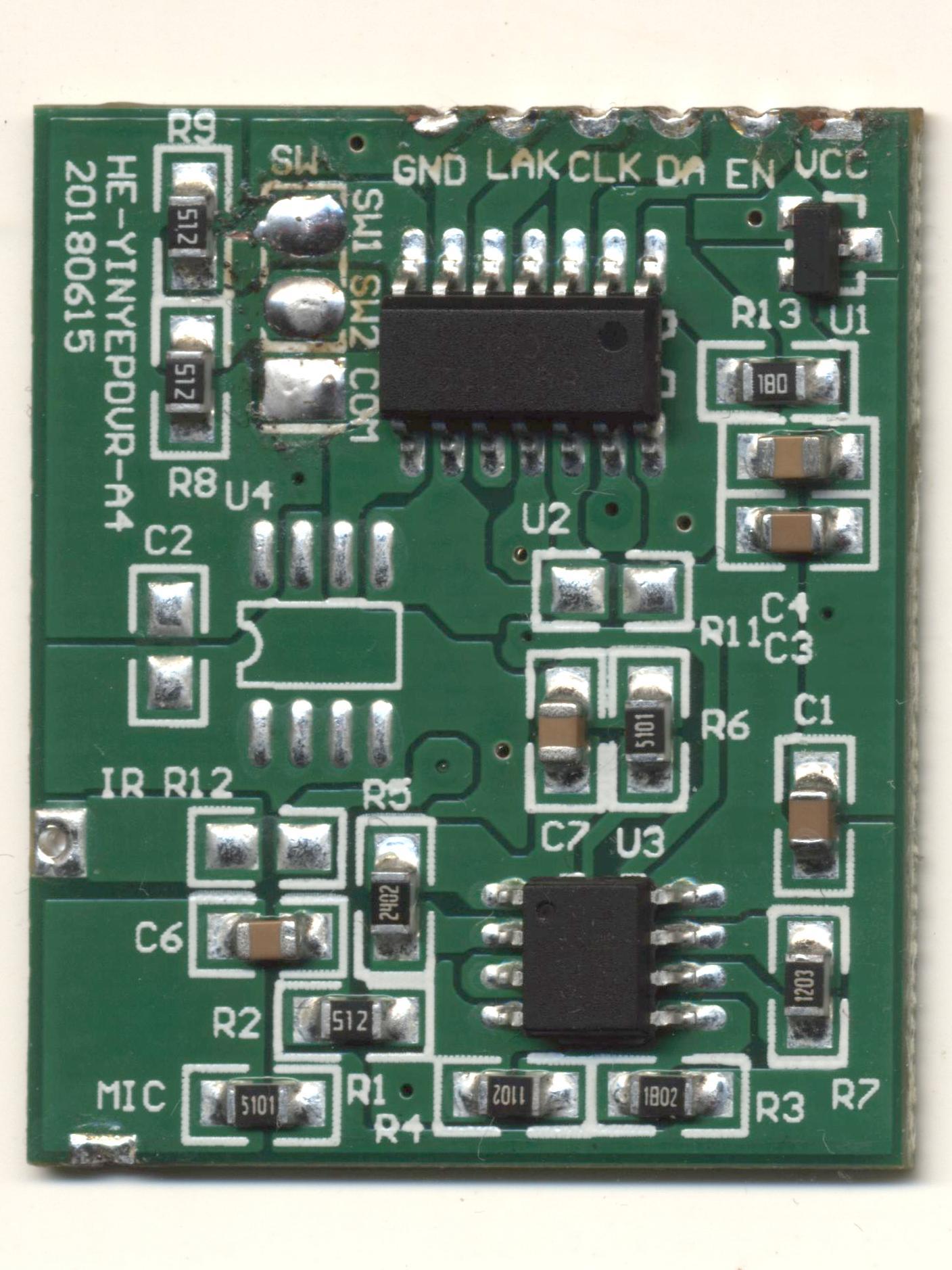
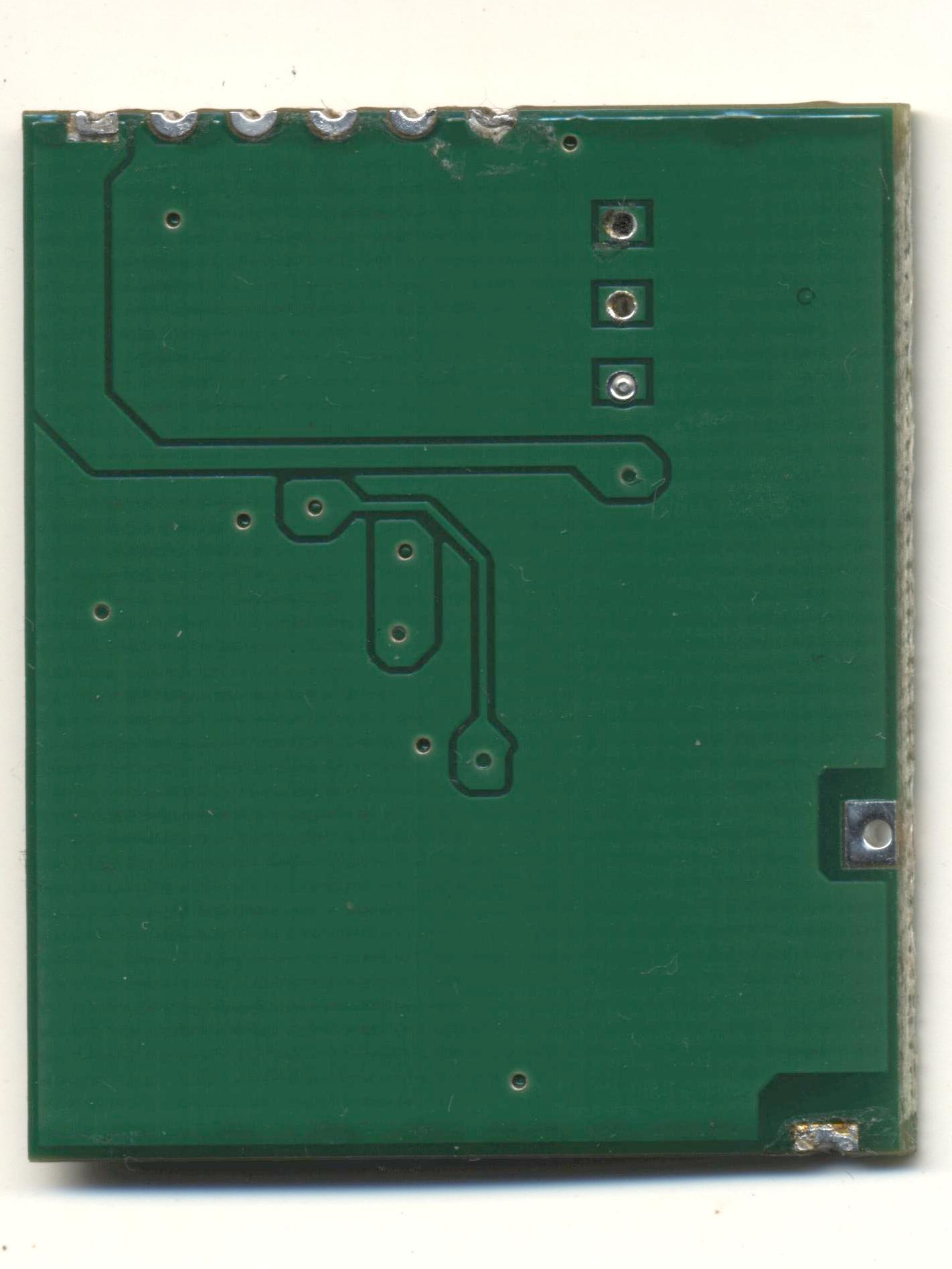
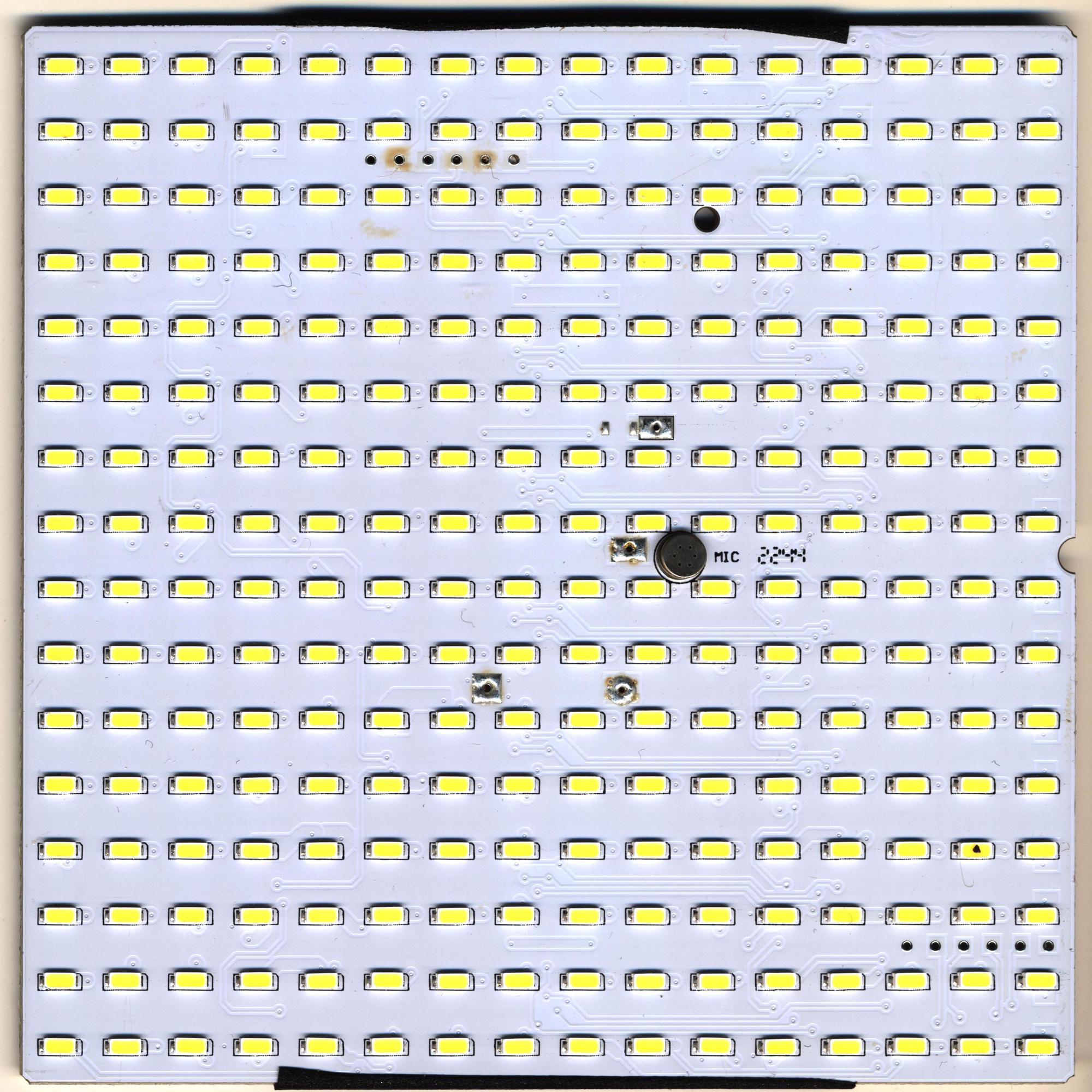
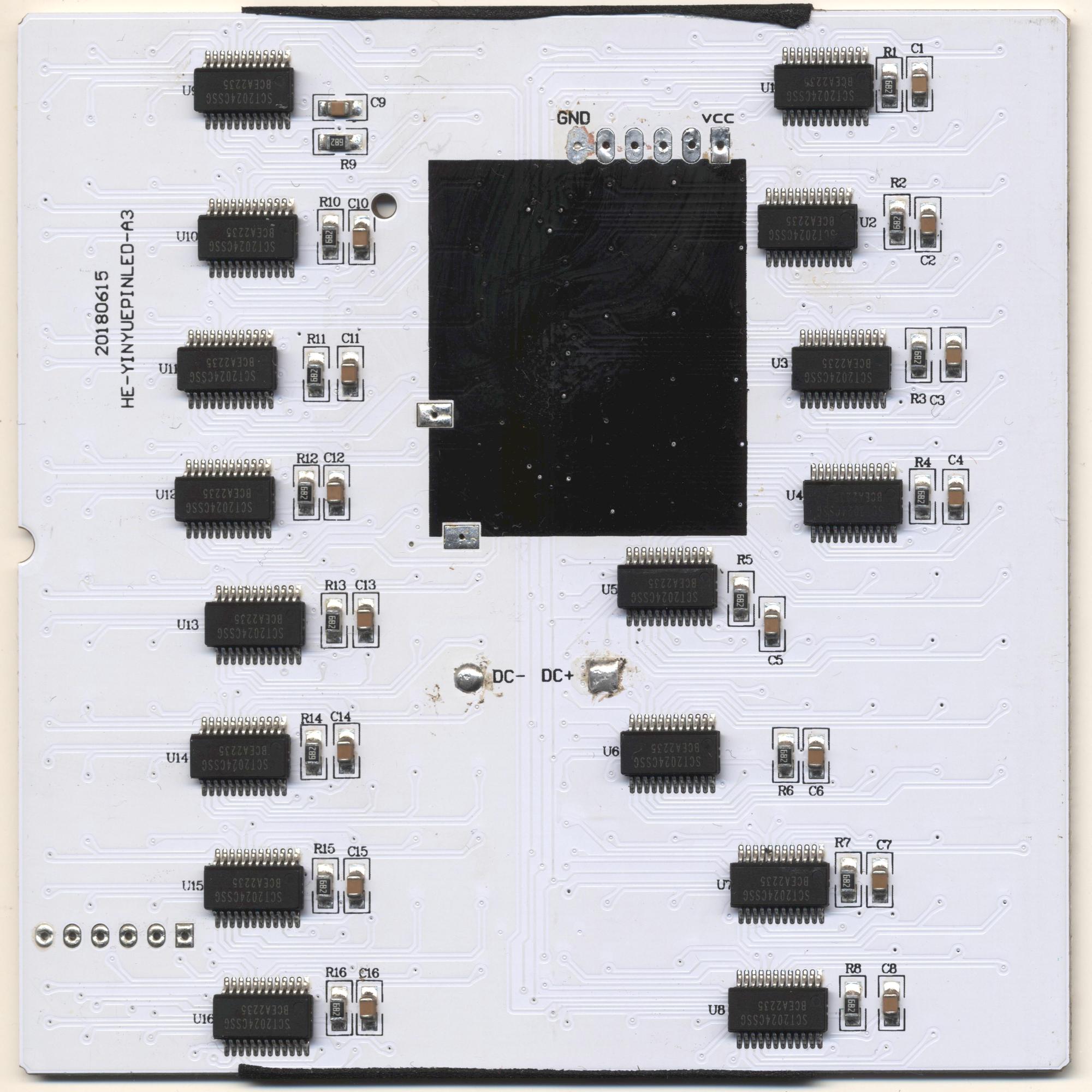
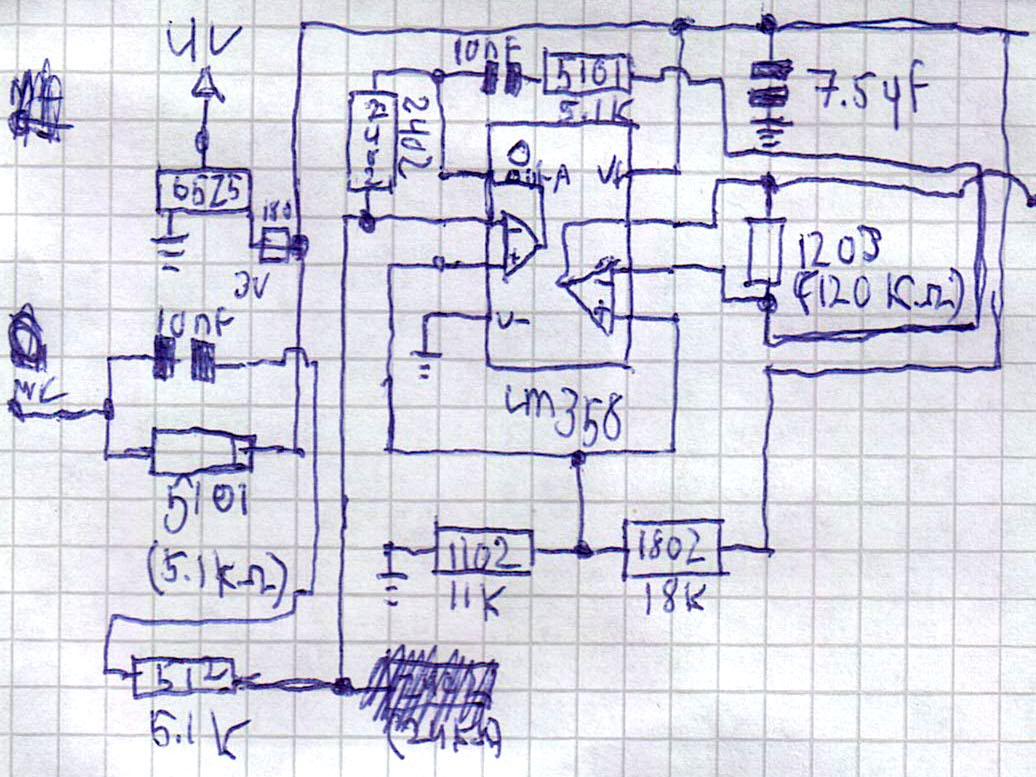
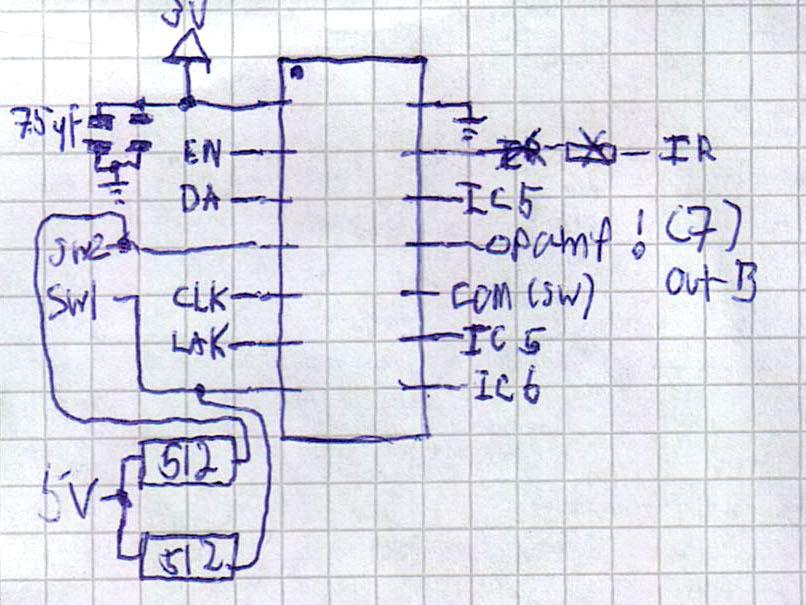
Cleaner sketch to follow…
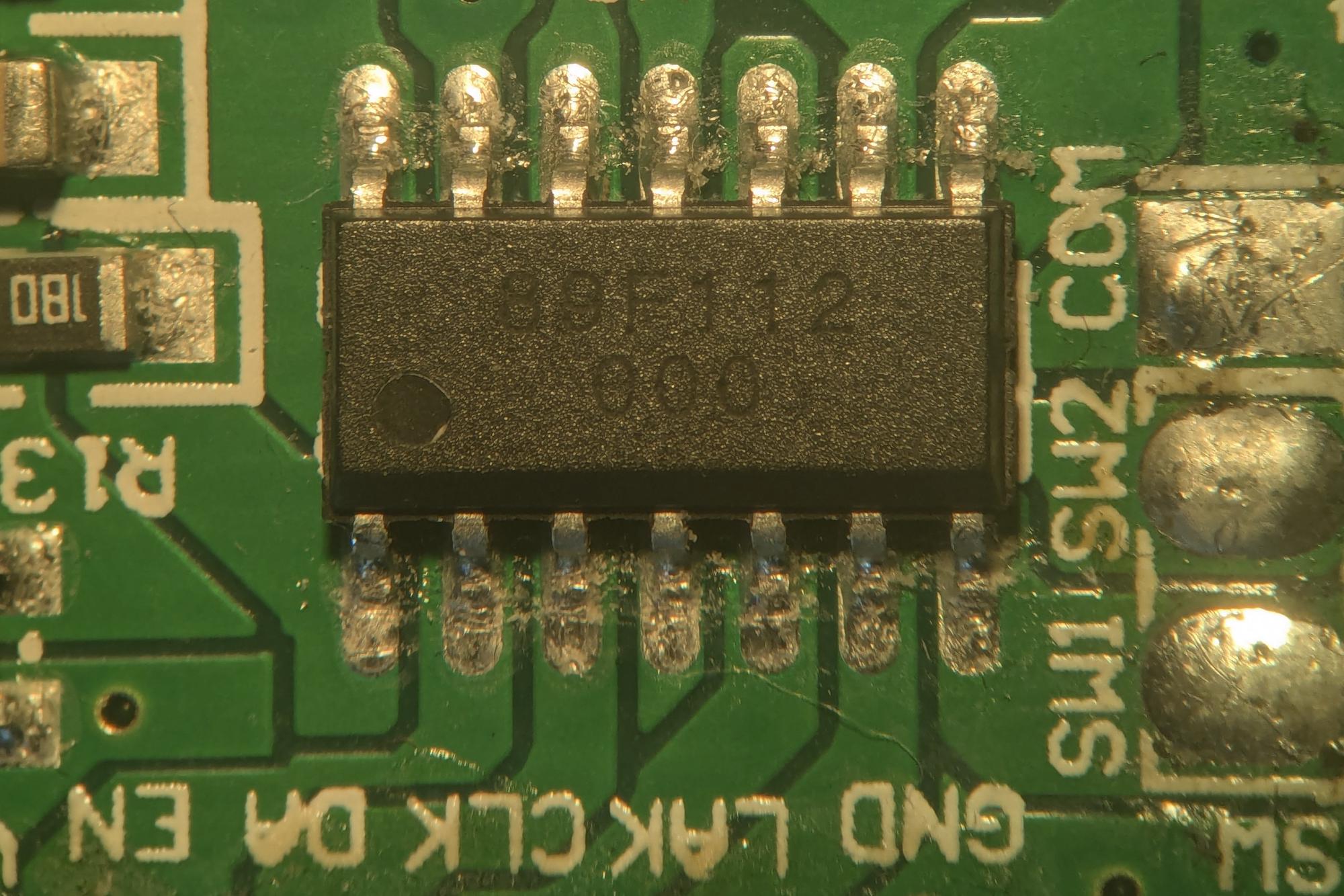
The MCU on the controllerboard has the markings 89F112 000, which appears to be the CMS89F112 from Cmsemicon.
It’s listed on jlc, for an estimated unit price of 0.3 USD. Hard to beat.
The datasheet is in chineese, but looks to have
- A 2K x 14 bit flash memory (I’m unfamiliar with the practicality of 14 bit memory?).
- 144 bytes of RAM.
- Inbuilt ADC, comparators, timers, PWM outputs, buzzer driver and a sleep mode.
- A voltage range of 1.8-5.5V (at 4MHz, or from 2.5V at 8MHz).
A very capable little device. 144 bytes of RAM is not a lot, a bitfield for the LED matrix would take up 32 bytes, almost a quarter of memory. Still, that is absolutely enough for more complex or interesting effects on the matrix, like iterative or dynamic animations. My claim still stands: TE’s embedded developers dropped the ball on this one.
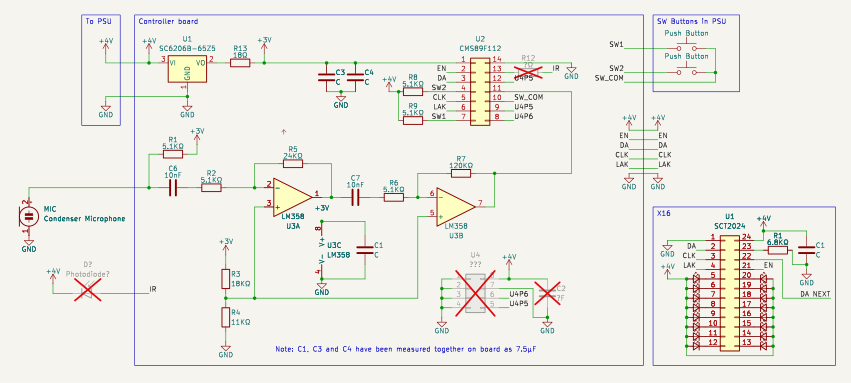
Complete RE of the original Frekvens controller and LED matrix board.
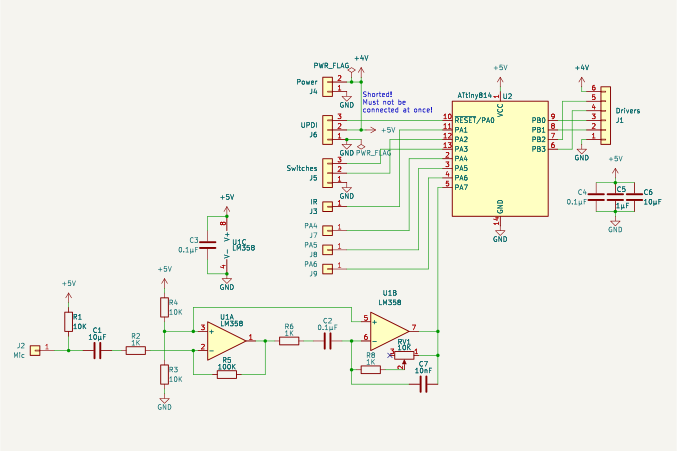
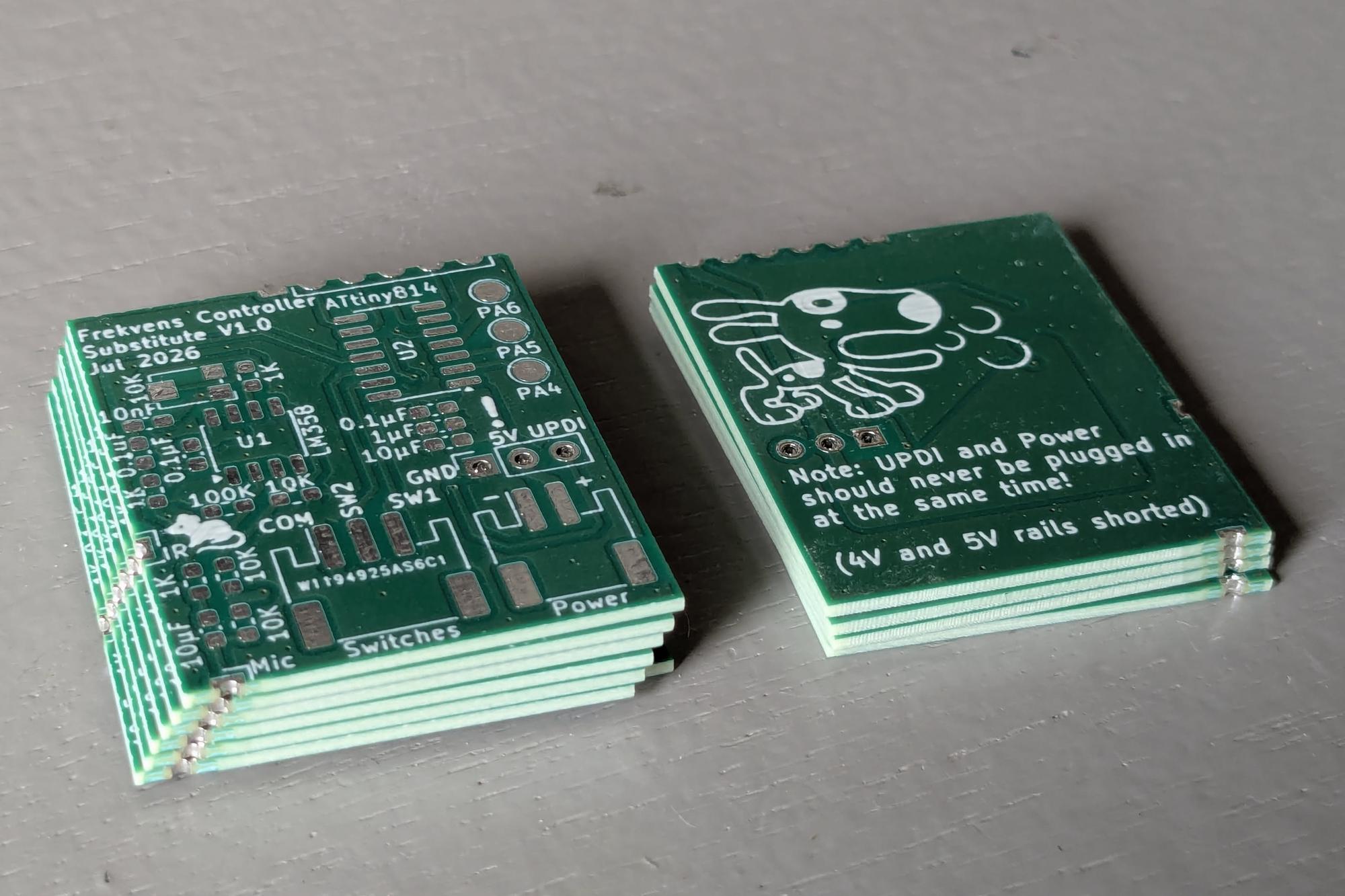
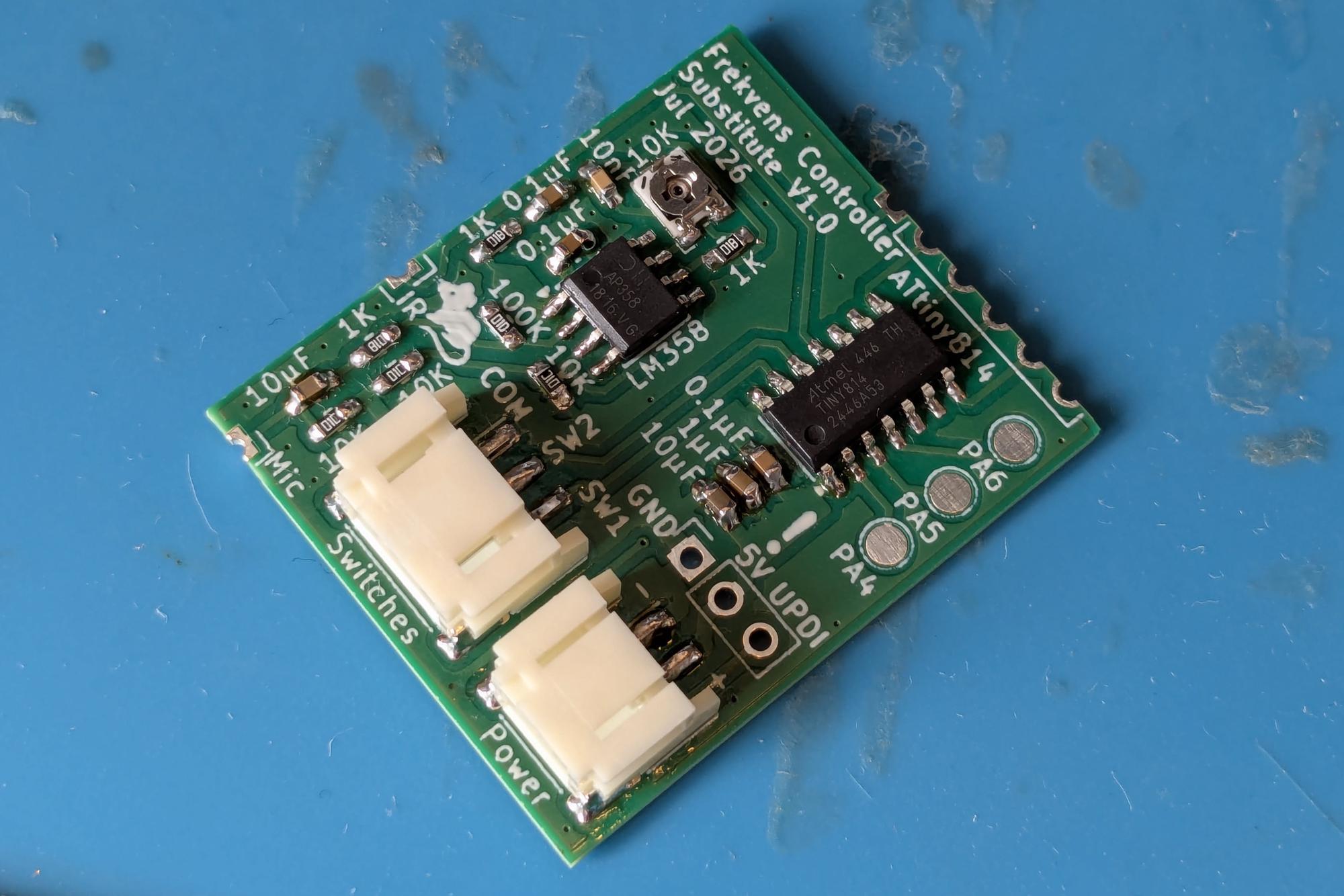
So anyways I started blasting redesigning.